
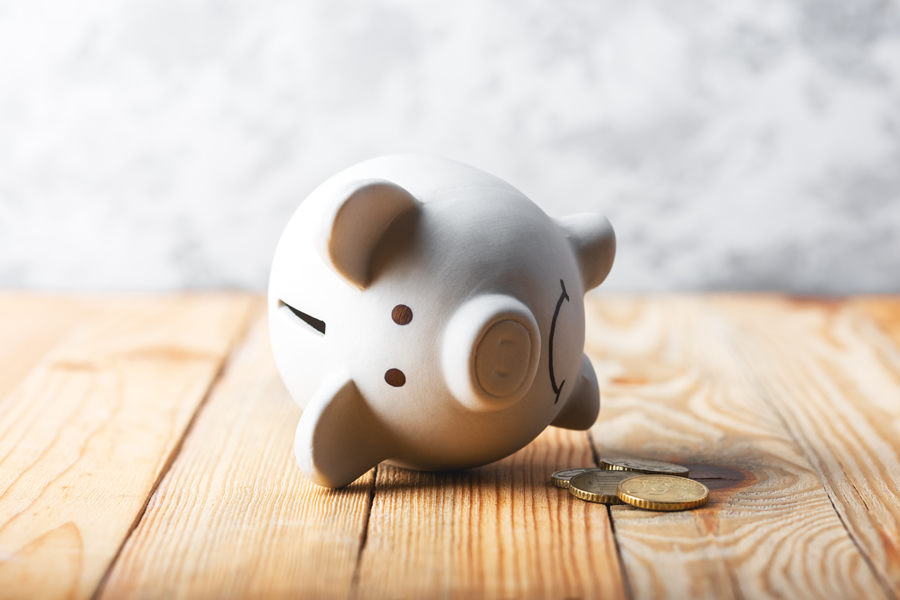
I am often surprised by the number of people who keep large balances in their savings accounts – or even worse, their checking accounts. I recognize that these accounts provide a sense of security, which does have some merit, but the reliance on savings accounts stems from successful marketing and not financial wisdom.
Despite their intentionally misleading name, savings accounts are the worst place to save extra cash. There are three significant reasons why.
1 – Savings accounts generally pay rates far lower than inflation. This means that every year, the cash in your savings account is worth less. Because the balance stays constant, you don’t even realize the reduction in purchasing power.
2 – Savings (and checking) accounts are more susceptible to fraud. It is easier for criminals to convince an unsuspecting and trusting individual to grant access to bank accounts than other types of financial accounts. This happens more frequently than you may realize, and once the money is withdrawn, it is gone.
3 – The opportunity cost of savings accounts is quite high. By leaving money in low-yield accounts, you are giving up the opportunity to make money somewhere else. There are options that pay much higher dividends that do not take on added risk. In fact, some of these other accounts may also provide even greater security.
I personally use my savings account to store small amounts of cash to cover an unexpected high spending month, a planned purchase within the next year, and holiday expenses. My emergency fund and long-term savings (over 12 months) are never kept in a checking or savings account.
Recommended alternatives to savings accounts are:
Money Market Accounts – These accounts contain no market risk and are liquid. There are usually no fees associated.
Certificates of Deposit – Use CDs sparingly, as they are untouchable without fees until maturity. We generally do not recommend CDs for a period of over 12 months.
High-Yield Savings – These accounts are often preferred over money market accounts and CDs. They are liquid and usually do not have any fees. A high-yield savings is where I keep my emergency fund.
Investment Accounts – These accounts are best for long-term savings. These accounts can hold conservative and relatively safe assets, stocks with high growth potential, or anything in between. Investment accounts are best for extra cash and savings over 24 months.
If you have extra cash in your checking or savings accounts and would like to discuss better options that best meet your needs, please get in touch with us. We are here to help you with proper portfolio allocation and financial decisions.