
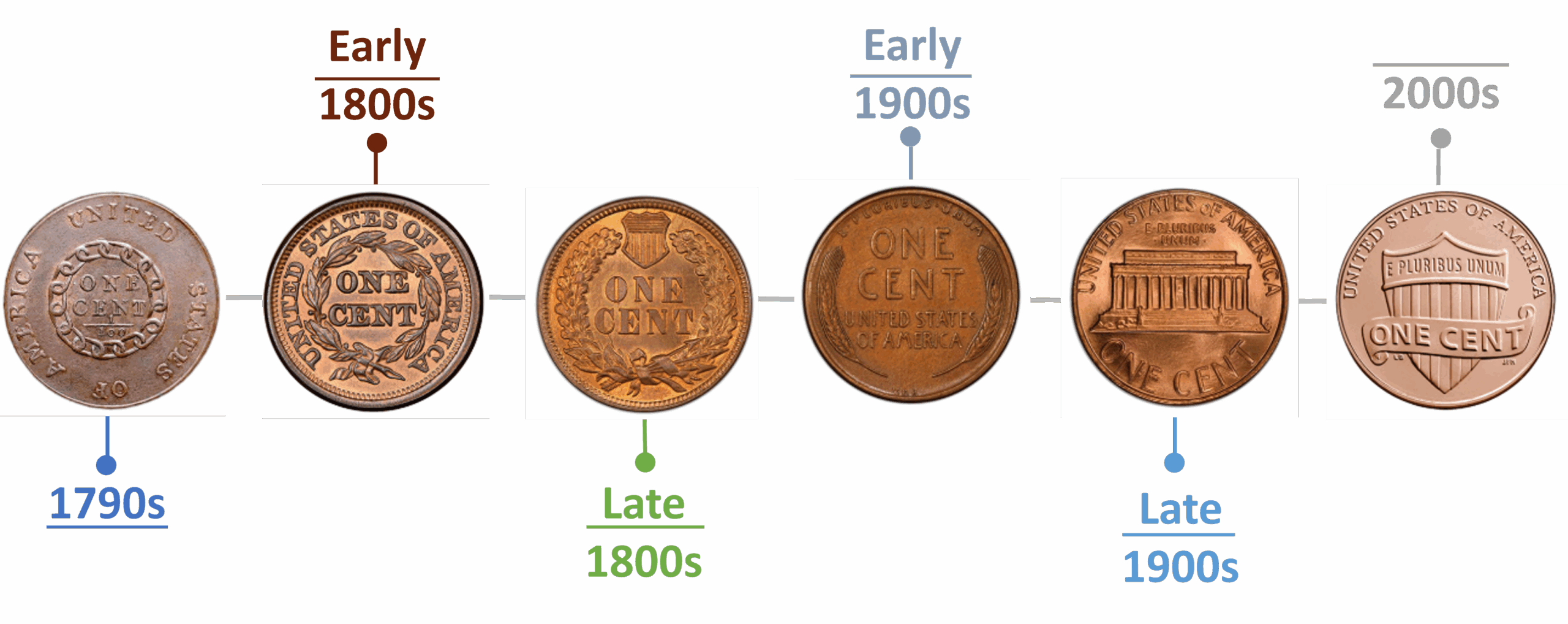
Minting of the U.S. half cent began during George Washington’s presidency and ended just before the Civil War. By 1857, inflation had stripped the coin of so much purchasing power that it no longer made “cents.” That half penny in 1857 was worth more than the penny, the nickel, and the dime are worth today.
So, it’s no surprise that our penny will no longer be minted after 2026. At 3.7¢ per coin to produce, nostalgia doesn’t justify the expense. The U.S. Treasury expects to save $56 million annually.
How could a coin that costs 3.7¢ be worth only one? It’s the same reason paper bills, manufactured for around 5¢ each, can be worth whatever denomination the U.S. Treasury prints on their surface. Money is all about confidence.
For decades, the dollar has symbolized certainty. It shaped global oil markets, international trade, and world currency reserves.
Yet, the dollar dropped more in the first six months of 2025 than in any year since 1973.
The main culprit is supply and demand. We have record government deficits (high supply), and foreigners have fewer reasons to hold dollars as global trade diminishes (lower demand).
The impact on Americans is subtle. Foreign travel costs more. Manufacturing could get better.
One smart solution is owning productive assets, like stocks. They represent small slices of real companies earning revenue. Foreign sales could increase if the dollar falls. If there is inflation, corporations may raise prices. This is why, historically, stocks have outpaced inflation.
As we say goodbye to the penny, we should recognize that the nickel may not be far behind. While cash slowly decreases in value, smart investing can help build a stronger, long-term future. Focusing on that positive perspective should pay dividends in the decades to come.
Check out a deep dive into inflation, the US Dollar, and the penny on the SFS Power Up Wealth podcast.